
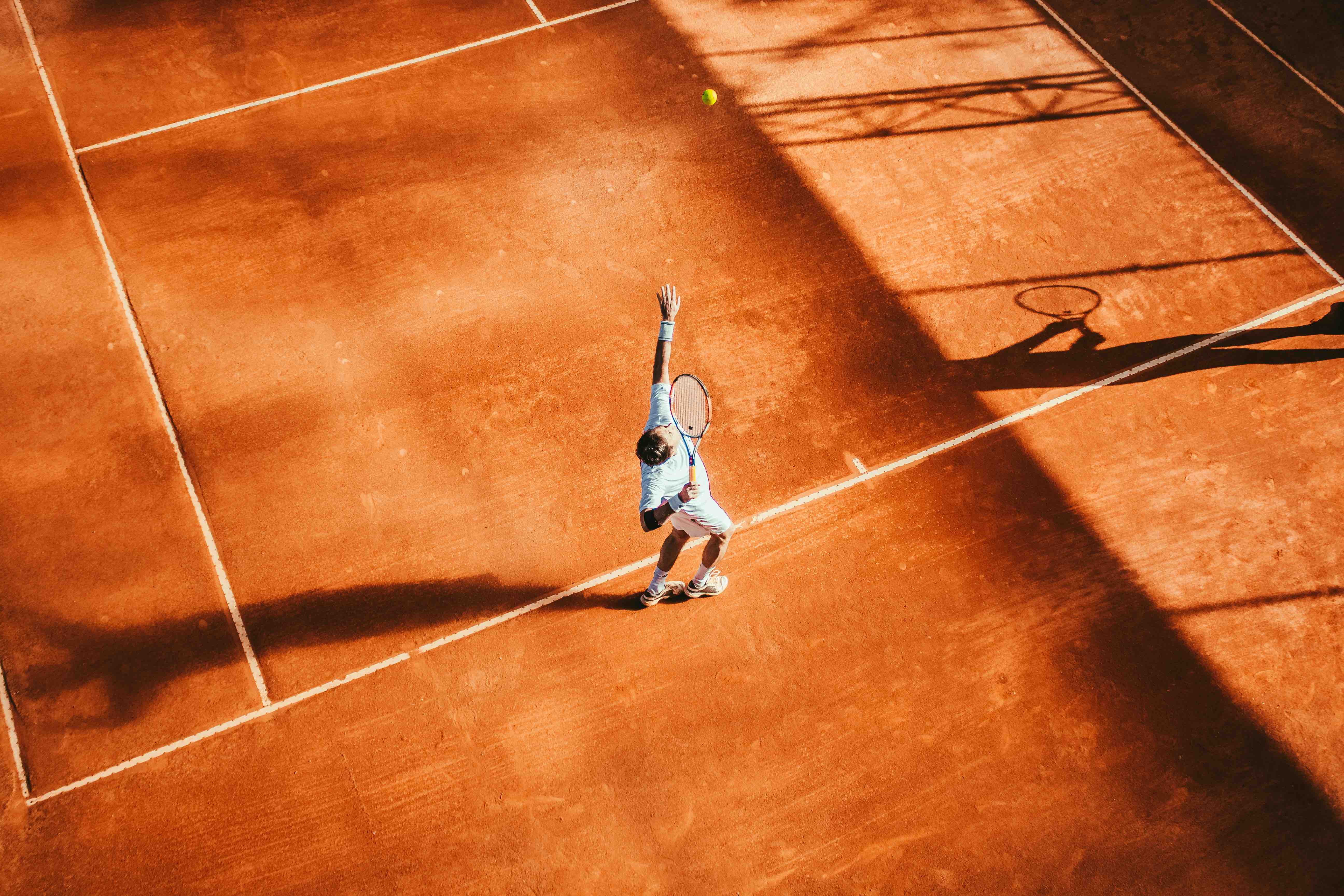
I was a varsity soccer captain in high school. I went on to found the club soccer program at Sonoma State. And I picked up recreational and semi-competitive tennis as an adult. And before I became a therapist, I was just a kid in Los Angeles who loved sport more than almost anything else.
I'm telling you that upfront because what I want to talk about in this post is something I didn't have language for when I was a young athlete - and something I rarely heard coaches, parents, or anyone else talk about directly. The mental side of sport. Not the motivational poster version of it. The real version. The anxiety before a big game that makes your legs feel heavy before you've run a step. The way a bad performance can follow you around for days. The strange experience of loving something so much and also being terrified of it.
If you're a young athlete in Los Angeles, or a parent watching one, this is the post I wish had existed when I needed it.
There's a version of sport psychology that gets talked about at the elite level - Olympic athletes working with performance consultants, professional teams with mental skills coaches on staff. That version is real, and the research behind it is solid. But it creates the impression that the mental side of sport is something only elite athletes need to worry about.
That's not how it works.
Every athlete at every level is playing a mental game alongside the physical one. The kid who practices free throws for hours but misses every one in a game isn't failing because their body doesn't know how to shoot. The club soccer player who is visibly different in tryouts than in practice isn't suddenly less skilled. The high school tennis player who crumbles in the third set against someone they've beaten before isn't weaker than their opponent. Something mental is happening in all of those moments, and it's happening whether or not anyone is paying attention to it.
The athletes who develop mental skills alongside physical ones don't just perform better. They enjoy sport more. They stay in it longer. They handle setbacks with more resilience. And when sport eventually ends - as it always does - they have a healthier relationship with who they are outside of it.
Anxiety before competition is normal. Let me say that clearly, because a lot of young athletes I work with have decided that feeling nervous means something is wrong with them or that they're not cut out for their sport. That's not what it means.
The physical experience of anxiety - the increased heart rate, the butterflies, the heightened alertness - is your nervous system preparing you for something that matters. In moderate amounts, that arousal actually improves performance. There's a reason athletes talk about needing to feel something before they compete. Flat and emotionally empty rarely produces good performances either.
The problem isn't anxiety itself. The problem is when anxiety becomes so intense or so persistent that it starts to interfere with performance rather than fuel it. When the nerves don't settle once competition begins. When the fear of making a mistake becomes louder than the instincts built through years of practice. When an athlete starts to dread the thing they used to love.
That shift - from normal pre-competition nerves to anxiety that's working against you - is exactly what sport psychology addresses. And it responds well to intervention when it's caught early.
Los Angeles is a particular kind of environment for young athletes. The club sport culture here is intense. Travel teams, year-round training, early specialization, recruiting timelines that start younger every year. There are kids in middle school who already feel like their athletic future is riding on every performance.
That pressure has a real mental health cost. Research on youth sport consistently shows that early specialization and high-pressure environments increase rates of burnout, anxiety, and dropout - and that the athletes who thrive long-term are often those who had space to develop at a more organic pace, with adults around them who treated sport as something to enjoy rather than purely as something to optimize.
That's a structural problem that's bigger than any individual athlete or family. But within that environment, the mental skills a young athlete develops - how they talk to themselves after a mistake, how they manage pregame anxiety, how they stay present during competition rather than ruminating on what already happened - make a significant difference in how they experience their sport and how they perform.
A few specific mental challenges that come up constantly in my work with young athletes, and that almost never get addressed in a team setting:
I want to demystify this a little, because I think some young athletes and parents imagine sport psychology sessions as something abstract or esoteric. It isn't.
The work is practical. We identify the specific situations where an athlete's mental state is getting in the way of their performance - the pregame ritual that's become anxiety-producing rather than settling, the inner critic that gets loudest in high-stakes moments, the rumination after a bad performance that bleeds into the next day's practice. Then we build concrete skills to address those situations directly.
Some of what that involves:
The most powerful thing in a young athlete's environment isn't their coach, their training program, or their talent level. It's how the adults closest to them respond to performance.
Research on youth sport is remarkably consistent on this point. Young athletes who feel that their parents' love and regard are connected to how they perform are significantly more anxious, more prone to burnout, and more likely to drop out of sport than those who feel supported regardless of outcome. The car ride home after a game matters more than most parents realize.
That's not a criticism. Most parents who create performance pressure do so from love and investment in their child's success. But the impact is real, and it's worth examining.
If your child comes off the field looking devastated after a tough game, the most useful thing you can say is usually the simplest. "I love watching you play. How are you feeling?" Not an analysis of what went wrong. Not reassurance about next time. Just presence, and an open door.
Whether you're a young athlete who recognizes yourself in some of what I've described, or a parent watching your child struggle with the mental side of sport, reaching out is the right next step.
I work with athletes individually and with youth teams, in person in Echo Park and via telehealth throughout California. A free consultation call is a low-pressure way to start the conversation.
Schedule a free consultation here.
Max Cadena is a Licensed Clinical Social Worker (LCSW) based in Echo Park, Los Angeles. He offers sport psychology and mental performance coaching for youth athletes, teenagers, young adults, and adult athletes, alongside therapy for children, teens, adults, and families. In-person sessions in Echo Park and telehealth available across California.